Navigating The Legal Names Of Controlled Substances: Cocaine Explained


The Surprising Origins and even Legal Name associated with Cocaine: From Old Rituals to Contemporary Class A Medication
The story of cocaine starts long before it grew to be associated with illicit markets. For hundreds of years, the particular coca leaf was a vital part involving spiritual and medical life in the particular Andes mountains of South America. This particular history shows a fancy relationship between folks and this powerful plant, far removed from modern stereotypes. Understanding how it went from some sort of traditional tool to a highly managed drug requires looking at its vegetation roots and clinical naming.
The particular Coca Plant: Antique Roots and Ethnical Significance
The botanical origins involving cocaine lie in the Erythroxylum coca plant. This plant thrives in the tropical climates associated with the Andes, especially in regions with high humidity and even fertile soil. Its native to South usa, specifically countries like Peru, Bolivia, and even Colombia. The grow has small, oblong leaves that consist of the alkaloid chemical substances that have shaped its controversial history.
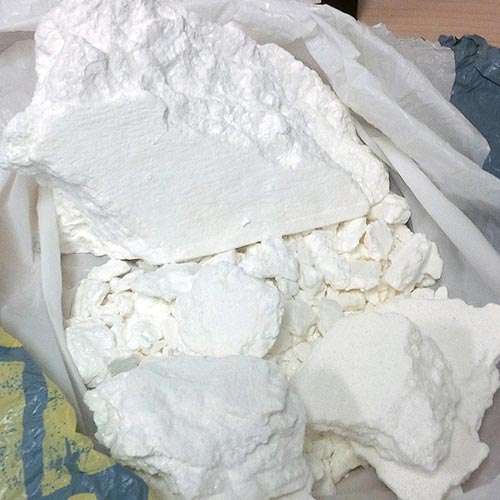
Erythroxylum coca : A Botanical Overview
The Erythroxylum cocaína flower grows best from specific high-altitude elevations, often on the eastern slopes involving the Andes. These types of shrubs can increase several feet taller if left untrimmed, though they are usually pruned to keep the particular leaves within reach for harvesting. Typically the leaves themselves will be the primary source of the alkaloids that are extracted to create cocaine. It calls for very specific environmental conditions to make typically the highest concentration of those compounds, which is usually why its healthy growth is geographically limited.
Cocaína in Ancient Andean Civilizations
Indigenous peoples inside the Andes used the coca leaf for millennia, long before Western contact. For how much is cocaine like the Inca, the leaf was holy. It absolutely was used inside religious rituals, because a gift for your gods, and while a form of currency intended for trade. People furthermore chewed the results in to help them endure intense physical labor, specially in the thin air of high elevations. Archaeological finds regularly include coca leaves along with the tools utilized to consume them, proving their core role in ancient life.
Conventional Methods of Cocaína Consumption
To obtain the most benefit by the leaves, conventional users chewed all of them with an alkaline substance, such because lime or grow ash. This combination helps extract the alkaloids from the leaf, allowing typically the body to soak up them more properly. In these conventional contexts, the results were mild. Users reported feeling more alert, less hungry, more enhanced able in order to handle physical fatigue. This was a new managed, culturally inbedded practice rather compared to the intense, habit forming experience connected with modern cocaine use.
The Scientific Breakthrough and Isolation involving Cocaine
Because Europeans began to check out South America, they encountered coca in addition to were intrigued by simply its reported side effects. These early information were often combined with rumor and mystery, as European researchers tried to recognize how the leaf could produce these kinds of specific physical changes. The path to be able to modern cocaine started when chemistry relocated from observation to be able to direct extraction.
Early European Incurs with Coca
Spanish conquistadors and even early explorers had been the first Westerners to write about the particular coca leaf. That they often viewed it with suspicion due to the use in local rituals. At the same time, they will noted that the leaf seemed to provide workers amazing endurance.
Early understanding were sometimes inaccurate, failing to understand the particular difference between the particular raw leaf in addition to the chemical chemical substance that would afterwards be isolated.
The Isolation regarding Cocaine: Albert Niemann's Breakthrough
The actual scientific identity from the substance was revealed in 1860 with a German chemist called Albert Niemann. Doing work in his laboratory, Niemann successfully isolated the main alkaloid from the coca leaf. He called this brand new substance "cocaine. " This moment was critical because it segregated the mild, standard use of the particular leaf from typically the concentrated benefits of its chemical component. https://notes.medien.rwth-aachen.de/dYQDo1-jQuW4Fe06OYQngQ/ set the stage for precisely how the drug can be studied, used, and finally feared by the particular Lady.
Typically the Chemical Identity: Benzoylmethylecgonine
While everybody knows the name crack, its formal scientific name is benzoylmethylecgonine. This long name describes its structure chemical structure since a tropane alkaloid. In chemical phrases, it acts as a stimulant by blocking the reuptake of certain neurotransmitters in the head. Its classification as a possible alkaloid means it is a naturally occurring organic and natural compound containing nitrogen, which regularly has potent effects on the human body during small amounts.
Cocaine's Rise within Western Medicine and even Society
Once chemists isolated the particular substance, it rapidly moved from the lab to the doctor’s office and the particular general public. During the late 19th century, it was recognized as a key medical discovery.
Early Medical Apps and Perceptions
Doctors initially acclaimed cocaine as some sort of miracle drug, especially for its attributes as a regional anesthetic. Because it numbed the spot wherever it was utilized, it became fundamental for eye and even throat surgeries. Tonics, wines, and also early on versions of Skol included extracts by coca leaves, offering a mild stimulating effect to customers. Famous figures, like Sigmund Freud, had written about the probable benefits associated with the compound for various health issues, further traveling its popularity.
The "Cocaine Craze" of the Overdue 19th and Early on 20th Centuries
For several decades, cocaine was quickly available and commonly used. It had been put into many products, from throat lozenges to tonics, intended to treat frequent ailments like exhaustion or toothaches. Right now there was little interpersonal stigma attached to be able to its use throughout this period, as the public was largely unaware of their true addictive strength. The widespread supply resulted in people through all social classes were using that for both therapeutic and recreational purposes.
The Breakthrough of Addiction and Negative Health Effects
As the medication became widely used, the negative effects started to be impossible to ignore. Doctors began to be able to document cases of severe addiction plus dangerous psychological symptoms. People experienced center problems, neurological issues, and extreme behaviour changes after extensive use. The health care community began to alter its stance, noticing that the very substance they got championed like a remedy was causing deep harm to individuals and society.
Legal Classification in addition to International Control associated with Cocaine
Typically the realization of the drug's dangers directed to a rapid push for legislation. Lawmakers began in order to restrict access, transforming the substance's position from a frequent medical aid to some dangerous, prohibited product.
Early Control Efforts: The Harrison Narcotics Tax Act
The United States took some sort of major step towards regulation with typically the Harrison Narcotics Tax Act of 1914. street price gram of cocaine was basically not an immediate suspend, but it necessary that the sale plus distribution of crack along with other drugs get strictly tracked and even taxed. By driving physicians and pharmacists to record their sales, the government made it much harder for the average person to obtain the drug. cocaine perfume was to reduce misuse by making the supply chain transparent and handled.
Cocaine around the International Stage: Typically the Geneva Conventions
Regulation quickly relocated beyond national boundaries as countries found the global business in the drug grow. Early international treaties were signed in order to track and control the movement regarding cocaine across nations around the world. These agreements have been the first efforts to create a good unified global reply to a compound that was being traded illegally on the massive scale.
Cocaine as some sort of Scheduled Substance: UN Conventions and Country wide Regulations
Today, cocaine is heavily controlled through essential conventions, such because the UN’s Solitary Convention on Narcotic Drugs of 1961. Under the You. S. Controlled Elements Act, cocaine will be classified as a Schedule II substance. This status realizes that it provides a limited, highly certain medical use—primarily as a topical anaesthetic in specialized surgeries—but also includes a quite high potential with regard to abuse and addiction. Any use exterior of these rigid medical parameters is definitely illegal and firmly penalized.
Contemporary Perspectives: Cocaine's Twin Identity
The modern world contains a complicated relationship along with cocaine. It is still used throughout very specific, controlled medical situations, nevertheless it also is still probably the most widely trafficked and abused illegal drugs globally.
Legitimate Medical Makes use of of Cocaine
Medical use associated with cocaine is exceptional today. It is sometimes used as a topical ointment anesthetic for many processes in the nose area, throat, or eyes. Because it will cause veins to filter, it helps stop hemorrhage and numbs typically the area simultaneously. what is the price of cocaine of uses are managed under intense direction, and doctors like safer, synthetic options whenever possible.
The Illicit Crack Market and International Impact
The illegal market regarding cocaine has a massive impact in the world. Prepared crime groups run the production and distribution networks, primary to extreme violence and instability inside many regions. The human and economic expenses, from production found in South American nations to consumption throughout markets across typically the globe, are severe. These networks create significant social difficulties, as the profits from the trade often fund various other illegal activities.
Public well-being Challenges and even Harm Reduction Strategies
Addiction remains a significant public health and fitness crisis. Due to the bodily and psychological harm the drug factors, public health attempts concentrate on treatment in addition to overdose prevention. Harm reduction strategies, this sort of as providing assets for addiction treatment and educating the population about the risks of use, will be central to handling the ongoing effect on communities.
Conclusion: A Element of Clashes
The journey of cocaine is identified by extreme contradictions. It began seeing that a sacred, standard tool and become a medical cutting-edge before becoming a source of major public health and fitness crises.
Recapping the Journey: By Ancient Herb to be able to Controlled Substance
This evolution features how human belief of the plant could shift drastically over time. The isolation of the lively alkaloid, benzoylmethylecgonine, by Albert Niemann altered the substance coming from a leaf that was chewed for gentle stimulation into some sort of concentrated drug that could be employed for surgery or even abused to the level of severe harm. The subsequent legal journey, starting with the particular Harrison Act plus continuing through international treaties, reflects the world's attempt in order to manage this duality.
The Long lasting Legacy and Upcoming Considerations
Cocaine remains a compound that demands caution and respect with regard to its power. The total amount between its restricted medical utility as well as its profound societal harm continues to be a subject associated with intense policy argument. As society is constantly on the face the challenges of addiction, major remains on finding effective treatment pathways and reducing the harms associated with the illicit buy and sell. Understanding this extended history is the very first step in generating better ways to be able to manage the element down the road.